
The evidence found on this page relates to teacher supply in Further Education in England and Wales. It is a resource for professional and research communities concerned with the recruitment and retention of teachers and support for their professional development. As such it is relevant for policy-makers, leaders, professional bodies, providers of professional learning, researchers and practitioners undertaking studies of teacher retention and strategic development to enhance teachers’ wellbeing.
The majority of the evidence provided is open access. It includes policy documents, reports, academic journal articles, books and chapters, briefings and blogs, and news and commentary published since 2019.
Each summary is labelled with its resource type and tagged with one or more themes. You can use the filters below to show only the evidence of a particular resource type or on a particular theme, and selecting a tag on any summary will take you to all resources sharing that theme. The search bar covers the full library, so results may include evidence relating to Further Education as well as schools; the sector is shown on each result. Each summary links to the original source where it is available.
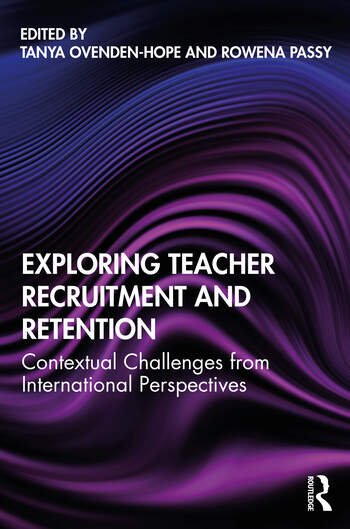
Summary:

Summary:
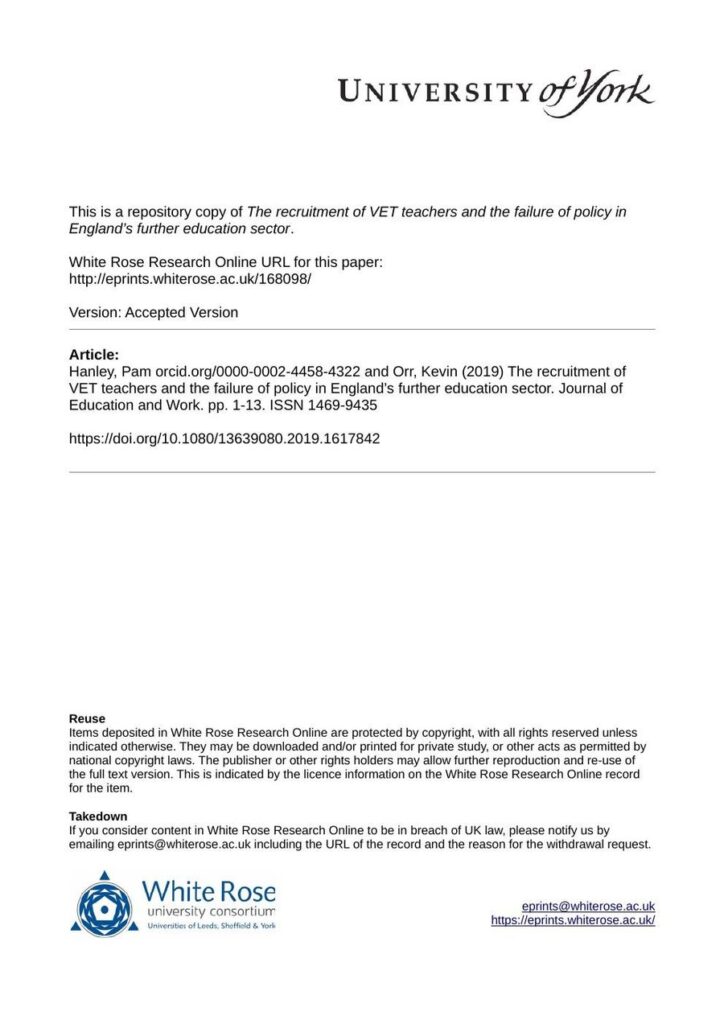
Summary:

Summary:
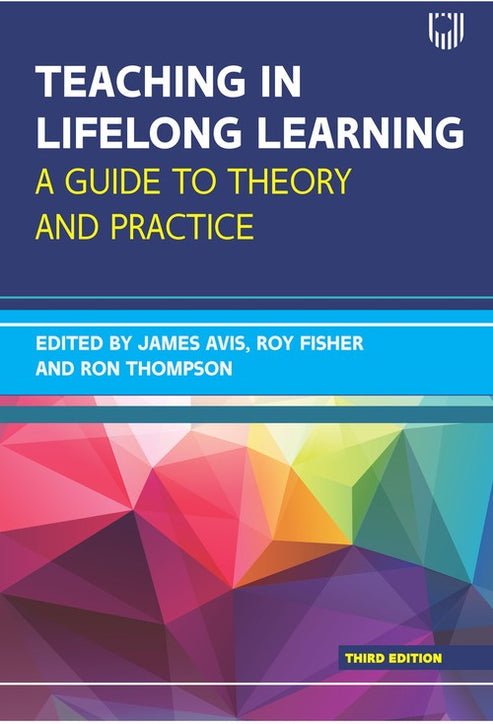
Summary:
We may place Cookies for analysis of our visitor data and to improve your experience of using our website. We have carefully chosen these Cookies and have taken steps to ensure that your privacy is protected and respected at all times.